What is Septic Shock?
Septic shock is a life-threatening condition. It happens when an infection spreads through the body and causes very low blood pressure. Because of this, organs like the heart, lungs, and kidneys may stop working. Septic shock is a medical emergency. Early treatment can save lives. Many people search for signs of septic shock and septic shock treatment because quick action is important. According to the CDC and WHO, septic shock is a leading cause of death in hospitals worldwide.
Symptoms of Septic Shock
Recognizing the symptoms of septic shock is important. Early signs can be mild, but they get worse quickly. For example, you may notice:
Sometimes, people also feel dizzy or faint. If you see these signs of septic shock, seek emergency care right away. Quick treatment can make a big difference.
Causes and Risk Factors
Septic shock is caused by a severe infection. Bacteria are the most common cause, but viruses or fungi can also lead to septic shock. The infection usually starts in one part of the body, such as:
Some people are at higher risk. For instance, those with weak immune systems, older adults, and young children face more danger. People with chronic diseases, like diabetes or cancer, are also at risk. In addition, recent surgery or hospital stays can increase the chance of septic shock.
How Septic Shock is Diagnosed
Doctors use several steps to diagnose septic shock. First, they check your symptoms and medical history. Next, they may order blood tests to look for infection and organ problems. Other tests can include:
Because septic shock is serious, doctors act fast. Early diagnosis helps start septic shock treatment sooner. This can improve your chances of recovery.
Treatment Options for Septic Shock
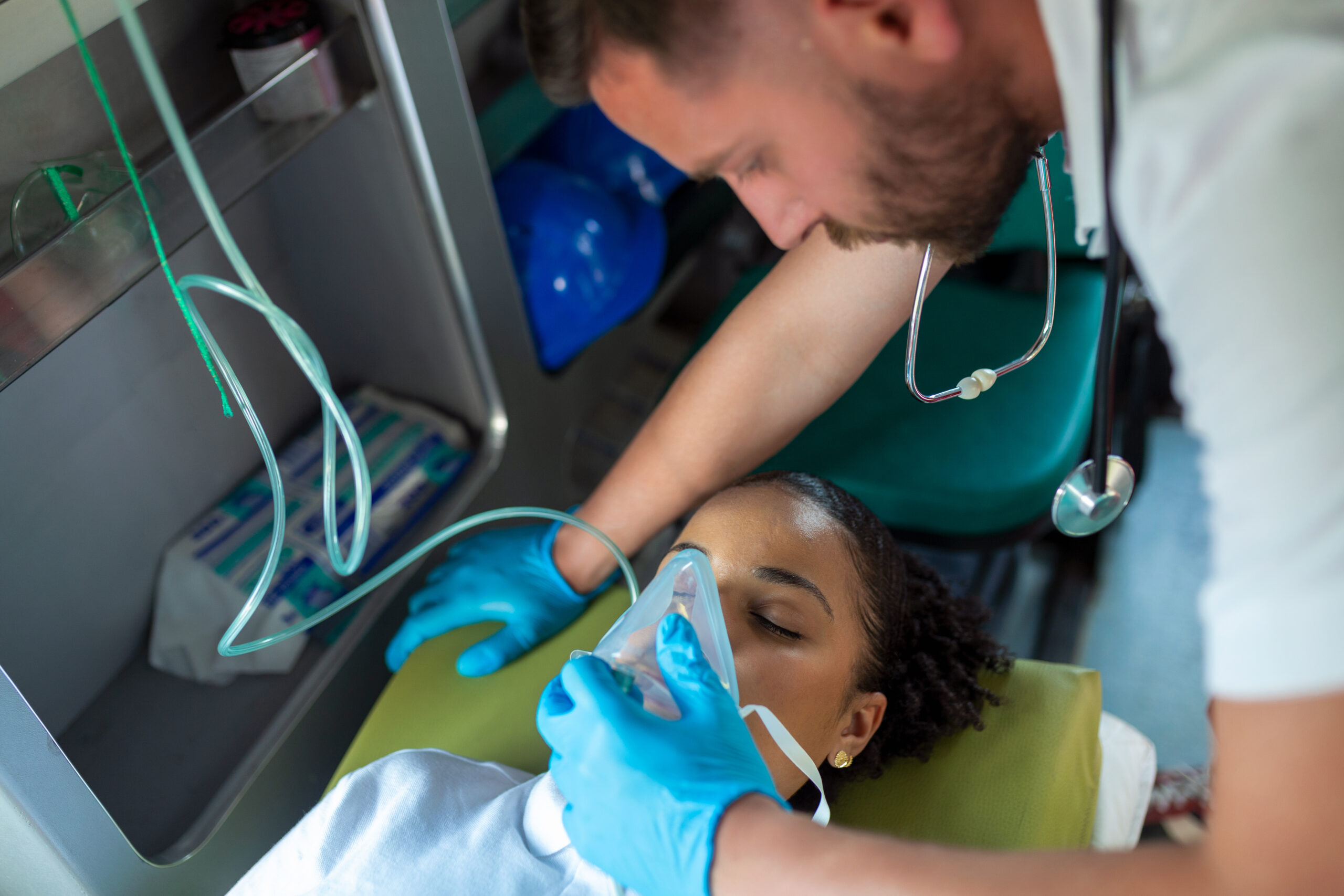
Treating septic shock needs emergency care. Doctors usually treat patients in a hospital, often in an intensive care unit (ICU). Treatment steps may include:
Sometimes, patients need kidney support or other special care. Because septic shock can get worse quickly, early and strong treatment is key.
Prevention and Lifestyle Tips
While not all cases can be prevented, you can lower your risk. Here are some helpful tips:
Additionally, follow your doctor’s advice after surgery or hospital stays. Early care for infections can stop them from becoming severe.
When to Seek Emergency Care
Septic shock is a medical emergency. If you or someone you know has symptoms like very low blood pressure, confusion, or trouble breathing, call emergency services right away. Quick action can save lives. Even if you are unsure, it is better to be safe and get checked by a doctor.
If you suspect septic shock, seek emergency medical attention at Matrix Hospital immediately.