
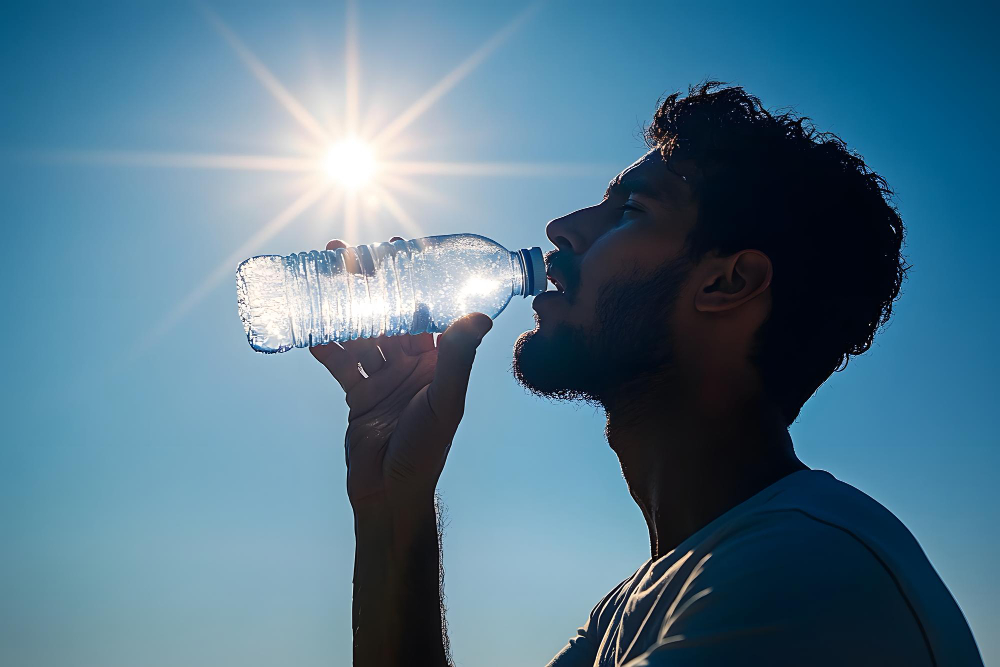
What is Dehydration?
Dehydration happens when your body loses more water than it takes in. In this dehydration overview, you will learn about the signs of dehydration, how to prevent it, and treatment for dehydration. Water is vital for your body to work well. Even mild dehydration can affect your health. For example, you may feel tired or dizzy. Severe dehydration can be dangerous and needs quick care.
Common Symptoms of Dehydration
It is important to know the signs of dehydration. Early symptoms can be mild, but they may get worse if not treated. Watch for these signs:
Sometimes, children and babies show different signs. For instance, they may have no tears when crying or a dry diaper for several hours.
Causes and Risk Factors
Many things can cause dehydration. Often, it happens when you do not drink enough water. However, you can also lose fluids through:
Some people have a higher risk of dehydration. For example, young children and older adults are more likely to get dehydrated. People with chronic illnesses or those living in hot climates also face higher risks.
How Dehydration is Diagnosed
Doctors diagnose dehydration by checking your symptoms and medical history. They may ask about your fluid intake and recent illnesses. In addition, they might do a physical exam. For example, they may check your skin, mouth, and eyes for dryness. Sometimes, doctors order blood or urine tests. These tests help show if your body has lost too much water or important salts.
Treatment Options
Treatment for dehydration depends on how severe it is. For mild dehydration, you can often recover by drinking more fluids. Water is best, but oral rehydration solutions can help replace lost salts and minerals. These are especially helpful for children or people with diarrhea. In severe cases, you may need fluids through a vein at a hospital. Quick treatment is important to prevent serious problems.
Prevention Tips and Lifestyle Guidance
You can take simple steps to prevent dehydration. Here are some tips:
Moreover, avoid drinks with caffeine or alcohol, as they can make you lose more water.
When to See a Doctor
Sometimes, dehydration can become an emergency. Seek medical help if you or someone you know has:
Early treatment can prevent serious health problems. According to the CDC and WHO, quick care is vital for children and older adults.
Conclusion
Dehydration can affect anyone, but it is easy to prevent with simple steps. Always watch for signs of dehydration and act quickly if you notice them. For personalized advice on dehydration, consult a healthcare professional at Matrix Hospital.